

How Hydraulic Variable Vane Pumps Work in Industrial Automation
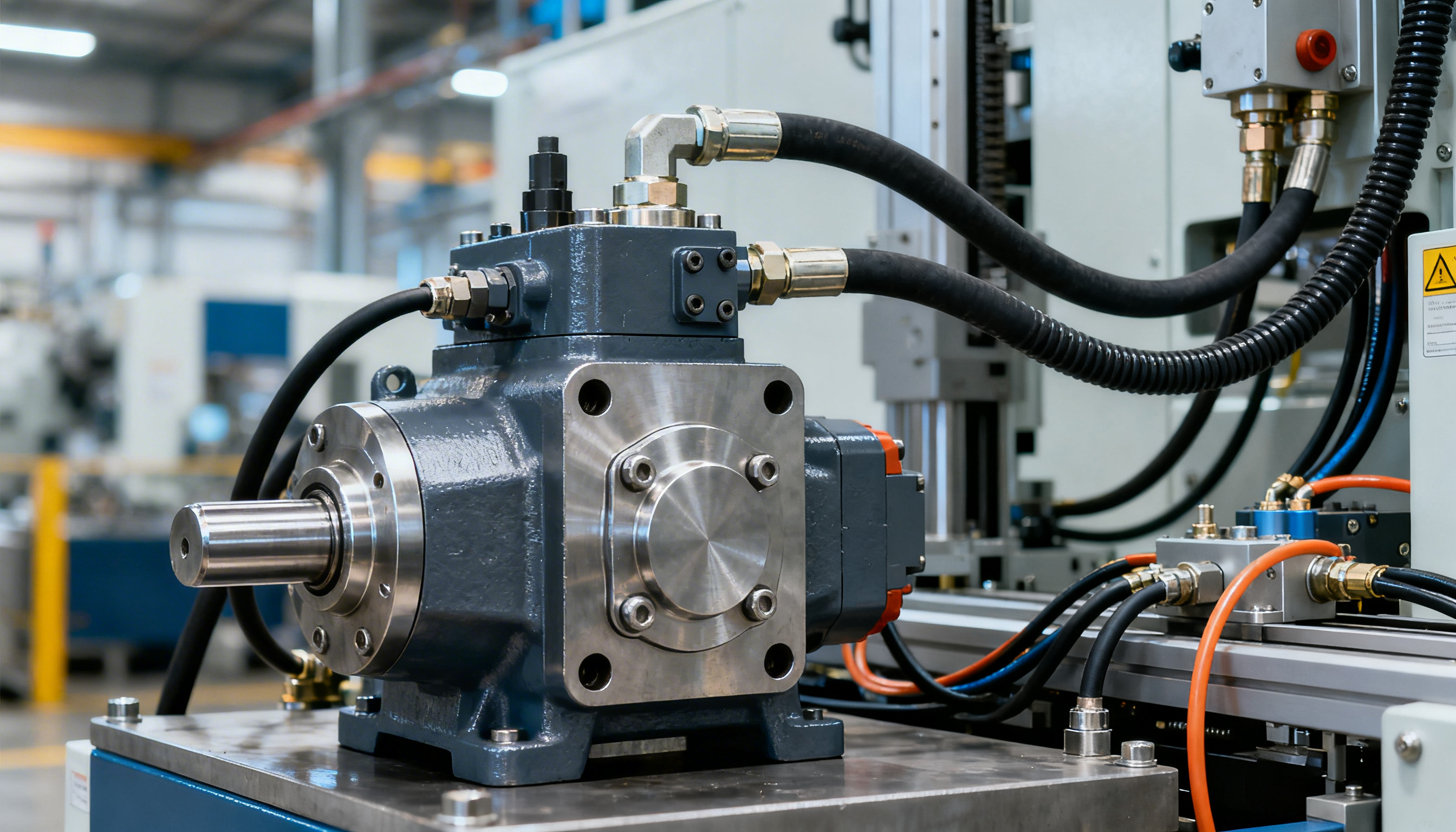
Precision Meets Productivity
In the global competitive market, industries are quickly shifting into automation to stay in the market. Now times are moving to automation; it is not optional, it is necessary for automotive manufacturing, plastic, metal forming, or packaging precision. Many hydraulic solutions are appropriate for engineers because of their smooth controlling, energy efficiency, and long-term reliability.
The Rise of Industrial Automation in India
Smart factories have increased demand for efficient hydraulic systems to support the initiative of Make in India. Automation lines now run longer hours and have adapted quickly to changing loads.
That is the biggest reason, which has forced manufacturers to shift to smarter hydraulic pumps beyond the traditional pumps.
What Makes Variable Vane Pumps Different
Where traditional conventional pumps deliver constant flow without adjustment, the Variable Vane Pumps automatically adjust the output with the requirements. This flexibility reduces unnecessary energy consumption and heat generation. For industries it helps to reduce operating costs while maintaining precision; this adaptability makes a noticeable difference in daily operations.
Trivia
“A hydraulic variable vane pump can quietly save enough energy in a year to run several office computers—while no one notices it working.”
Why Precision Matters in Indian Manufacturing
Variable vane pumps provide stable flow and pressure helping maintain consistent output and reduce rejection rates. A small pressure fluctuation can affect the product quality in CNC machines and automated assembly lines. All manufacturers or exporters want high product quality.
How Does a Hydraulic Vane Pump Work?
Inside the pump, there is a rotating wheel with small sliding blades called vanes. As the wheel spins, these vanes move outward and create space, which pulls hydraulic oil inside. When the space becomes smaller, the oil is pushed out with pressure. As they rotate further and shrink, the fluid is pushed out under pressure. In variable vane pumps, the cam ring shifts automatically, adjusting flow based on system demand for efficient and precise operation.
Understanding Hydraulic Vane Pump Pressure Range
In vane pumps the biggest advantage is the hydraulic vane pump's pressure range ability to operate a wide pressure band with efficiency. This is why it is suitable for light-duty and heavy industrial automation. Also, it provides the smooth pressure to minimize the vibration and extend the life of connected components while improving the system reliability.
Design Reliability and hydraulic vane pump parts
The internal design focuses on fewer moving components compared to other pump types.
Key elements of hydraulic vane pumps:
- Vanes,
- Rotors,
- Cam rings
- Bearings
For continuous duty cycles these elements are most important. This simplicity reduces the high maintenance cost, maintains the lower maintenance frequency, and ensures consistent performance even in demanding Indian factory environments.
Decoding Hydraulic Vane Pump Specifications
Flow rate, displacement variation, operating speed, noise level, and efficiency ratings—these things are a must when you select the pump. These all Hydraulic Vane Pump specifications help to match the pump with automation needs, and also, choosing the right configuration avoids the unwanted expense.
Trivia
“Many factory breakdowns are caused by heat, and vane pumps help reduce heat just by being smarter about flow control.”
Key Advantages for Indian Industries
Some great benefits that make variable vane pumps a top choice include these:
- Energy savings through demand-based flow control
- Lower noise levels compared to gear pumps
- Reduced heat generation
- Improved machine responsiveness
- Longer service life with proper maintenance
These advantages are perfectly fit for sustainable and cost-effective manufacturing.
Applications Across Automation-Driven Sectors
Hydraulic variable vane pumps are widely used in:
- Automotive component manufacturing
- Plastic injection molding machines
- Machine tools and CNC systems
- Packaging and material handling equipment
- Die-casting and metal-forming presses
Their quality makes them suitable for small workshops and large-scale industrial plants.
Quick Comparison Table
Here is the quick comparison table from which you can easily understand the difference between variable vane pumps, gear pumps, and piston pumps.
|
Feature |
Variable Vane Pump |
Gear Pump |
Piston Pump |
|
Flow Control |
Adjustable |
Fixed |
Adjustable |
|
Noise Level |
Low |
Medium |
High |
|
Energy Efficiency |
High |
Moderate |
High |
|
Maintenance |
Low |
Low |
High |
|
Cost Balance |
Optimized |
Economical |
Expensive |
Did you know?
“Many breakdowns start with “too much pressure,” but vane pumps handle pressure better than most humans handle deadlines.”
Conclusion: Powering Smart Automation
Selecting the right hydraulic components becomes important for automation industries. Hydraulic variable vane pumps are the good balance between precision, efficiency, and reliability. While maintaining smooth performance, the vane pumps change their ability according to the requirement; this reason makes them an ideal solution for modern automation industries. We specialize in delivering reliable hydraulic solutions tailored for Indian industries. Our website:- N.T Associates,
“Smarter Hydraulics for Smoother, More Accurate Automation.”
FAQs
1. Why is a hydraulic variable vane pump preferred for precision automation?
Ans: A hydraulic variable vane pump is preferred because it delivers smooth, consistent flow even when load conditions change. This stability improves machine accuracy and repeatability in automated systems. Since the pump adjusts output based on demand, it reduces pressure fluctuations, heat generation, and energy waste. These qualities make it ideal for precision-driven applications such as CNC machines, assembly lines, and automated manufacturing equipment.
2. How does a hydraulic vane pump improve energy efficiency in industrial systems?
Ans: Hydraulic vane pumps improve energy efficiency by supplying only the required amount of hydraulic fluid instead of running at full capacity continuously. Variable vane designs automatically adjust flow according to system load, reducing power consumption during idle or low-demand conditions. This minimizes heat loss, lowers electricity costs, and reduces strain on system components, helping industries operate more sustainably and cost-effectively.
3. What industries in India benefit the most from hydraulic variable vane pumps?
Ans: Industries such as automotive manufacturing, plastics processing, machine tools, packaging, and metal forming benefit greatly from hydraulic variable vane pumps. These sectors rely on precise motion control, consistent pressure, and long operating hours. Variable vane pumps support these requirements while reducing energy usage and maintenance needs, making them well suited for India’s rapidly growing automation-focused manufacturing environment.
4. How does a variable vane pump help reduce noise and vibration in machines?
Ans: Variable vane pumps operate with smoother fluid flow compared to gear or piston pumps, which significantly reduces noise and vibration. The continuous contact between vanes and the cam ring minimizes pressure pulsations. Lower vibration improves machine stability, enhances operator comfort, and reduces wear on surrounding components, contributing to longer system life and a quieter industrial workspace.
5. What factors should be considered when selecting a hydraulic vane pump for automation applications?
Ans: When selecting a hydraulic vane pump, consider flow requirements, operating pressure, energy efficiency, noise level, and system compatibility. It is also important to match the pump’s performance characteristics with application demands and duty cycles. Choosing a reliable manufacturer and ensuring proper installation and maintenance support will further improve long-term performance and operational efficiency.